Middle East & Africa Wireless Communication Market Size and Insights – 2026 to 2033
Report ID : IL_11596 | Report Language's : En/Jp/Fr/De | Publisher : IL |
Format : 


What is the Market Size of the Middle East & Africa Wireless Communication in 2026?
The Middle East & Africa Wireless Communication Market Size in 2026 is estimated to be USD 35.0 Billion
What is the Growth Rate (CAGR) of Middle East & Africa Wireless Communication Market?
The Middle East & Africa Wireless Communication Market is expected to grow at 12.5% CAGR
What is the Market Size of the Middle East & Africa Wireless Communication in 2033?
The Middle East & Africa Wireless Communication Market Size in 2033 is estimated to be USD 79.8 Billion

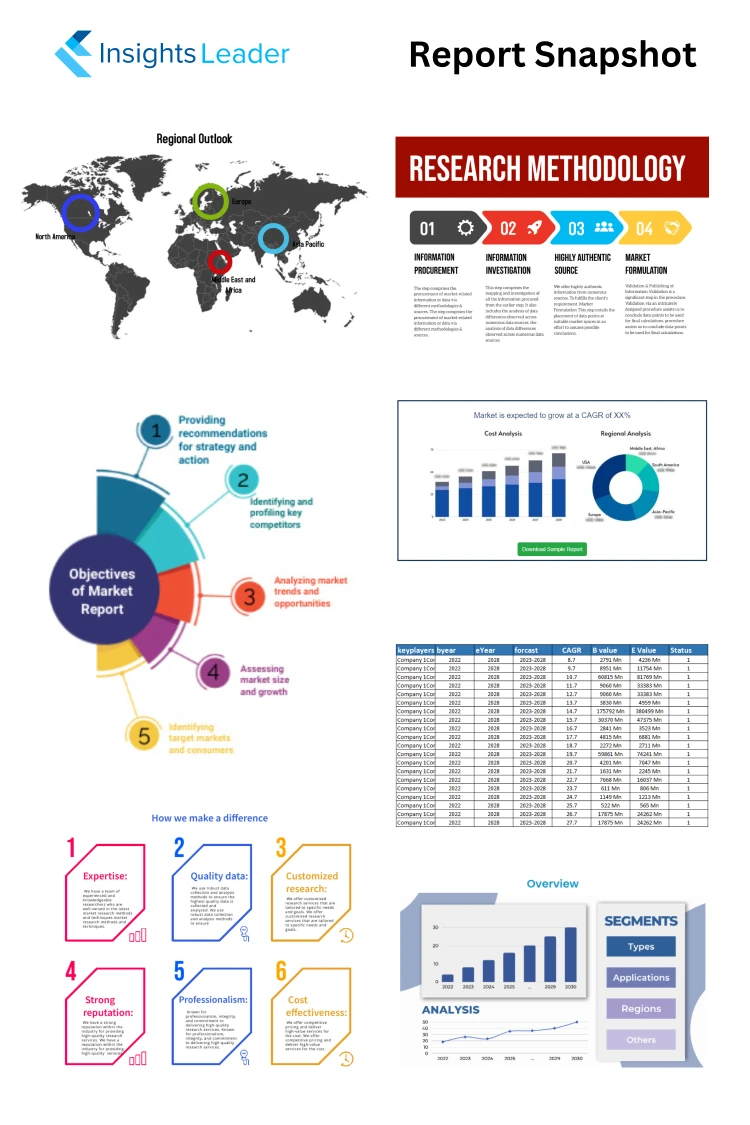
Report Snapshot
| Report Attributes | Report Details |
|---|---|
| Forecast Year | 2033 |
| CAGR | 12.5% |
| History Year | 2016-2024 |
| Market Size in 2026 | USD 35.0 Billion |
| Market Size in 2033 | USD 79.8 Billion |
What are DRO & Impact Forces of Middle East & Africa Wireless Communication Market?
The market is Driven by aggressive 5G infrastructure rollout, rapid digital transformation initiatives across Gulf Cooperation Council (GCC) nations, and favorable government investments in smart city projects. Restraints include regulatory fragmentation across the diverse MEA region and high dependency on imported networking hardware, exposing the market to global supply chain vulnerabilities. Opportunities lie in the expansion of industrial IoT (IIoT) applications, especially in energy and logistics sectors, and the growing demand for low-latency, high-bandwidth services in enterprise environments.
What is Impact of US Tariffs on Middle East & Africa Wireless Communication Market?
U.S. tariffs primarily impact the MEA wireless communication market by increasing the procurement cost of specialized network equipment, particularly high-end semiconductor components and base station technology sourced from or routed through tariff-affected supply chains. This pressure often forces regional operators to diversify their vendor base, potentially delaying network upgrades or increasing capital expenditure requirements. Furthermore, tariffs accelerate the shift toward sourcing from Asian and European manufacturers, altering the competitive landscape for telecom infrastructure providers operating within the MEA region.
How is AI currently impacting Middle East & Africa Wireless Communication Market?
Artificial intelligence is fundamentally transforming network operations by enabling advanced predictive maintenance, optimizing radio access network (RAN) capacity management, and facilitating self-healing networks that minimize downtime. AI is also critical in enhancing cybersecurity posture by detecting sophisticated threats in real-time and improving the customer experience through intelligent chatbots and personalized service delivery across major regional mobile operators. This adoption is crucial for managing the increasing complexity and scale introduced by 5G and IoT ecosystems.
Middle East & Africa Wireless Communication Market Research Report – Table of Contents
1. Executive Summary
2. Introduction & Research Objectives
3. Scope of the Study
4. Research Methodology of Middle East & Africa Wireless Communication Market
5. Middle East & Africa Wireless Communication Market Overview & Industry Background
6. Middle East & Africa Wireless Communication Market Size & Forecast Analysis
7. Middle East & Africa Wireless Communication Market Segmentation Analysis
8. Competitive Landscape
9. Consumer Behavior & Demand Analysis
10. Pricing & Cost Structure Analysis
11. Middle East & Africa Wireless Communication Market Drivers, Challenges & Risks
12. Regulatory & Policy Framework
13. Technology & Innovation Impact
14. Strategic Insights & Recommendations
15. Conclusion & Future Outlook
For more queries, kindly contact [email protected]