Asia-Pacific Narrow Webbing Market Size and Insights – 2026 to 2033
Report ID : IL_19395 | Report Language's : En/Jp/Fr/De | Publisher : IL |
Format : 


What is the Market Size of the Asia-Pacific Narrow Webbing in 2026?
The Asia-Pacific Narrow Webbing Market Size in 2026 is estimated to be USD 1.8 Billion
What is the Growth Rate (CAGR) of Asia-Pacific Narrow Webbing Market?
The Asia-Pacific Narrow Webbing Market is expected to grow at 5.5% CAGR
What is the Market Size of the Asia-Pacific Narrow Webbing in 2033?
The Asia-Pacific Narrow Webbing Market Size in 2033 is estimated to be USD 2.6 Billion
ildataimage]
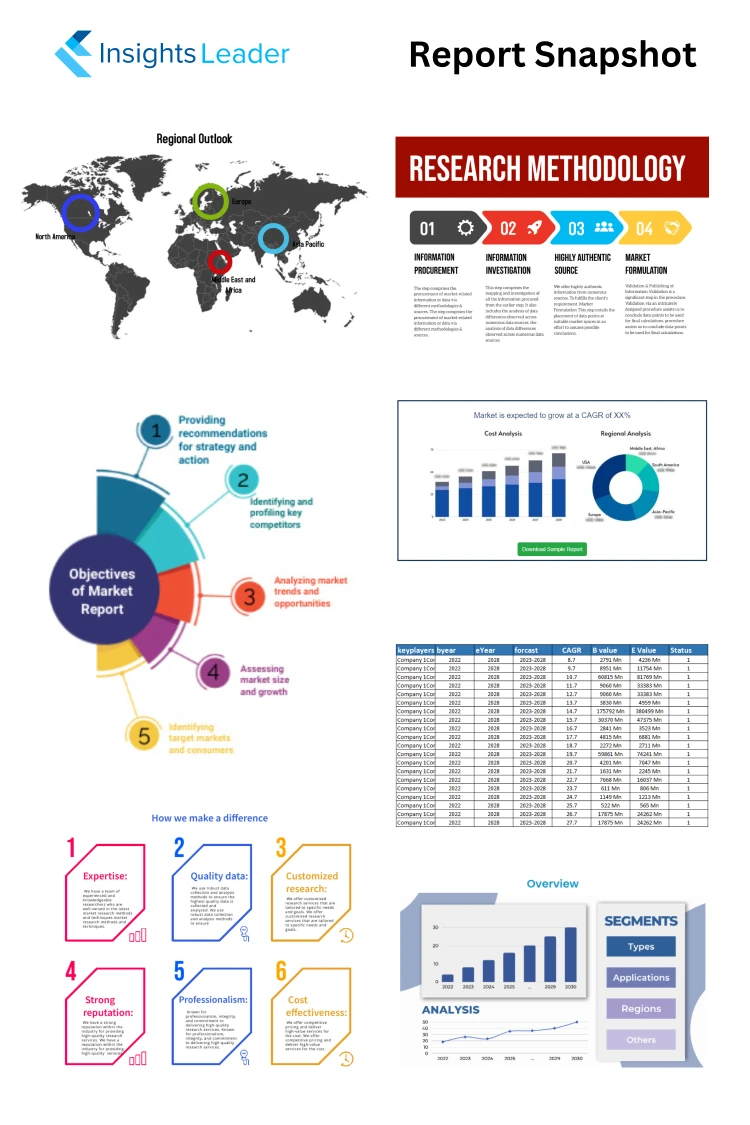
Report Snapshot
| Report Attributes | Report Details |
|---|---|
| Forecast Year | 2033 |
| CAGR | 5.5% |
| History Year | 2016-2024 |
| Market Size in 2026 | USD 1.8 Billion |
| Market Size in 2033 | USD 2.6 Billion |
What are DRO and Impact Forces of Asia-Pacific Narrow Webbing Market?
The market is driven by robust growth in the automotive sector, increasing demand for safety restraints, and rapid expansion of industrial lifting and cargo securing applications across developing APAC economies. Restraints include high volatility in raw material prices (polyester, nylon) and intense price competition among regional manufacturers. Opportunities reside in the development of high-performance technical textiles, especially for advanced safety and medical applications in compliance with stringent international standards.
What is Impact of U.S. Tariffs on Asia-Pacific Narrow Webbing Market?
U.S. tariffs on goods originating from major narrow webbing exporters, particularly China, have forced significant supply chain restructuring and trade diversion within the APAC region. This has increased manufacturing costs for affected exporters, prompting companies to establish or expand production facilities in non-tariff countries like Vietnam, Indonesia, and India to maintain competitive market access in North America.
How is AI currently impacting Asia-Pacific Narrow Webbing Market?
AI is primarily integrated into the manufacturing lifecycle through advanced machine vision systems used for high-speed, automated quality control and defect detection during the weaving and finishing processes. Furthermore, predictive maintenance leveraging AI algorithms optimizes loom scheduling and minimizes unplanned downtime, directly enhancing operational efficiency and ensuring consistent quality in high-volume production environments across the region.
Asia-Pacific Narrow Webbing Market Research Report – Table of Contents
1. Executive Summary
2. Introduction & Research Objectives
3. Scope of the Study
4. Research Methodology of Asia-Pacific Narrow Webbing Market
5. Asia-Pacific Narrow Webbing Market Overview & Industry Background
6. Asia-Pacific Narrow Webbing Market Size & Forecast Analysis
7. Asia-Pacific Narrow Webbing Market Segmentation Analysis
8. Competitive Landscape
9. Consumer Behavior & Demand Analysis
10. Pricing & Cost Structure Analysis
11. Asia-Pacific Narrow Webbing Market Drivers, Challenges & Risks
12. Regulatory & Policy Framework
13. Technology & Innovation Impact
14. Strategic Insights & Recommendations
15. Conclusion & Future Outlook
For more queries, kindly contact [email protected]