Asia-Pacific Built-In Induction Cooktop Market Size and Insights – 2026 to 2033
Report ID : IL_3228 | Report Language's : En/Jp/Fr/De | Publisher : IL |
Format : 


What is the Market Size of the Asia-Pacific Built-In Induction Cooktop in 2026?
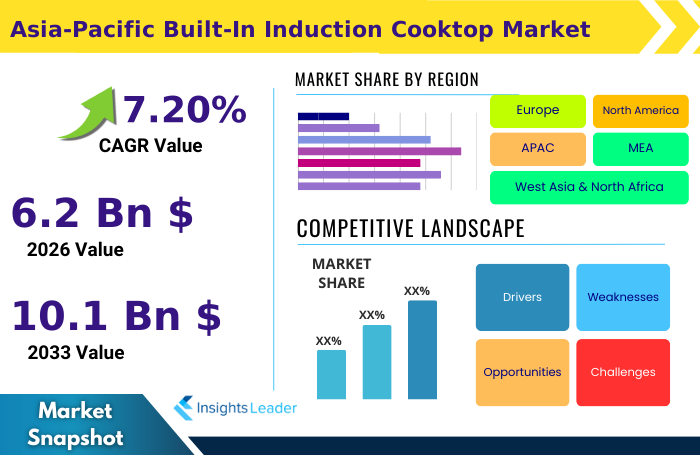
The Asia-Pacific Built-In Induction Cooktop Market Size in 2026 is estimated to be USD 6.2 Billion
What is the Growth Rate (CAGR) of Asia-Pacific Built-In Induction Cooktop Market?
The Asia-Pacific Built-In Induction Cooktop Market is expected to grow at 7.2% CAGR
What is the Market Size of the Asia-Pacific Built-In Induction Cooktop in 2033?
The Asia-Pacific Built-In Induction Cooktop Market Size in 2033 is estimated to be USD 10.1 Billion
What are DRO & Impact Forces?
DRO refers to Determinants, Restraints, and Opportunities, which define the structural forces driving or hindering market growth. Determinants include the rapid urbanization and increasing consumer preference for modern, energy-efficient kitchen solutions. Restraints often encompass the high initial purchase cost and the necessity for specific kitchen modifications for built-in units, particularly in developing economies. Opportunities center on technological integration, smart home compatibility, and expansion into emerging regional markets with rising disposable incomes.
What is Impact of US tariffs?
While direct US tariffs primarily affect trade flows between the US and targeted countries, they indirectly influence the Asia-Pacific market by disrupting global supply chains for core electronic components. These tariffs compel manufacturers to diversify component sourcing geographically, often increasing complexity and price volatility for semiconductors and power electronics essential for high-performance induction cooktops. This shift can lead to localized price adjustments and potential delays in product launch schedules across the APAC region.
How is AI currently impacting industries globally?
AI is currently transforming global industries by optimizing complex operations, enabling robust predictive analytics, and delivering hyper-personalized user experiences. In manufacturing, AI facilitates predictive maintenance and quality control, drastically improving production efficiency. For the consumer electronics sector, including induction cooktops, AI integration provides features such as adaptive cooking algorithms, energy consumption optimization, and integration into centralized smart home platforms, enhancing overall product sophistication and user value proposition.