Middle East & Africa Contact Center as a Service (CCaaS) Market Size and Insights – 2026 to 2033
Report ID : IL_10376 | Report Language's : En/Jp/Fr/De | Publisher : IL |
Format : 


What is the Market Size of the Middle East & Africa Contact Center as a Service (CCaaS) in 2026?
The Middle East & Africa Contact Center as a Service (CCaaS) Market Size in 2026 is estimated to be USD 350 Million
What is the Growth Rate (CAGR) of Middle East & Africa Contact Center as a Service (CCaaS) Market?
The Middle East & Africa Contact Center as a Service (CCaaS) Market is expected to grow at 18.5% CAGR
What is the Market Size of the Middle East & Africa Contact Center as a Service (CCaaS) in 2033?
The Middle East & Africa Contact Center as a Service (CCaaS) Market Size in 2033 is estimated to be USD 1,120 Million

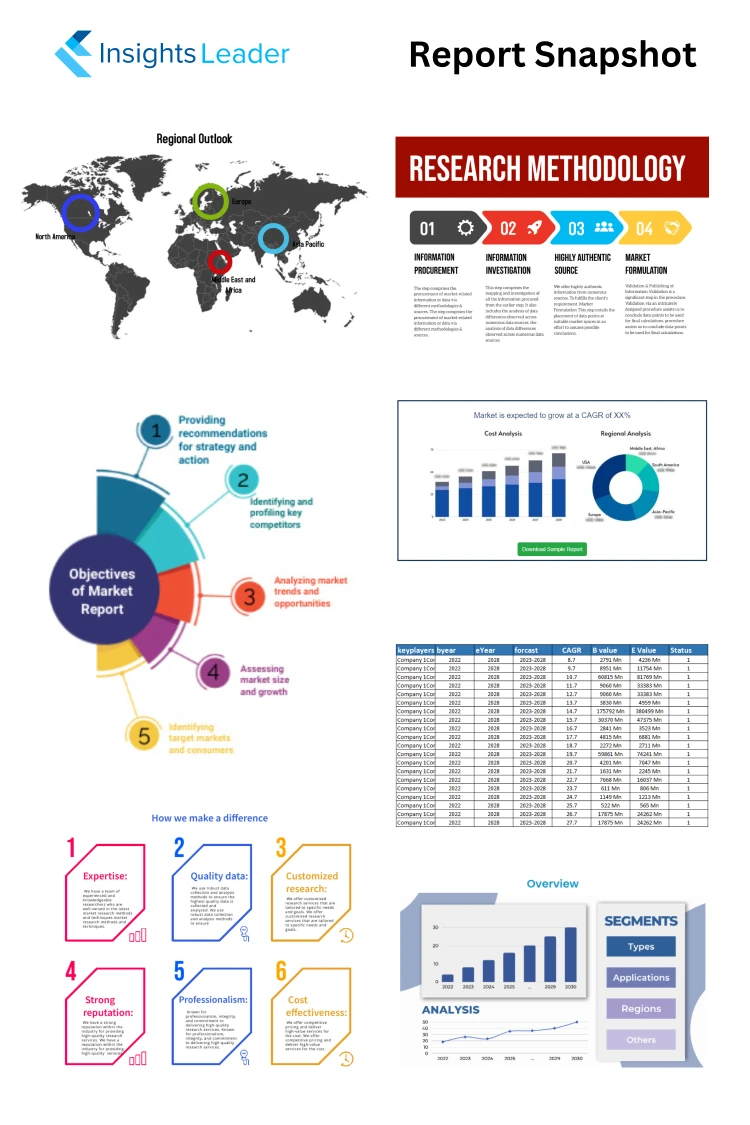
Report Snapshot
| Report Attributes | Report Details |
|---|---|
| Forecast Year | 2033 |
| CAGR | 18.5% |
| History Year | 2016-2024 |
| Market Size in 2026 | USD 350 Million |
| Market Size in 2033 | USD 1,120 Million |
What are DRO and Impact Forces of Middle East & Africa Contact Center as a Service (CCaaS) Market?
DRO (Drivers, Restraints, Opportunities) are the fundamental factors shaping the market trajectory. Drivers include the pressing need for scalable, omnichannel customer experience platforms and reduced CapEx. Restraints typically involve data localization regulations and initial reluctance regarding cloud security standards. Opportunities focus on the rapid digital transformation initiatives in Gulf Cooperation Council (GCC) nations and the adoption of hybrid CCaaS models to meet regulatory demands while enhancing operational efficiency across the MEA region.
What is Impact of U.S. Tariffs on Middle East & Africa Contact Center as a Service (CCaaS) Market?
The direct impact of US tariffs on the MEA CCaaS market is generally minimal, as the region primarily consumes software-based services. However, indirect impacts arise through global supply chain pressures affecting hardware components required for on-premise infrastructure, though CCaaS minimizes this vulnerability. More significantly, geopolitical stability and economic sanctions, rather than specific US tariffs, influence foreign investment and technology procurement decisions within key MEA markets like the UAE, Saudi Arabia, and South Africa, affecting overall market maturity and growth potential.
How is AI currently impacting Middle East & Africa Contact Center as a Service (CCaaS) Market?
AI is fundamentally transforming global industries by automating routine processes, enabling sophisticated data analysis for predictive insights, and enhancing decision-making across verticals such as finance, healthcare, and retail. Specifically, AI-driven automation (RPA) is optimizing back-office functions, while generative AI is accelerating content creation and personalized customer interactions. This transition results in improved efficiency, reduced operational costs, and the capability to offer highly personalized products and services at scale, shifting labor focus toward complex strategic tasks and away from repetitive operations.
Middle East & Africa Contact Center as a Service (CCaaS) Market Research Report – Table of Contents
1. Executive Summary
2. Introduction & Research Objectives
3. Scope of the Study
4. Research Methodology of Middle East & Africa Contact Center as a Service (CCaaS) Market
5. Middle East & Africa Contact Center as a Service (CCaaS) Market Overview & Industry Background
6. Middle East & Africa Contact Center as a Service (CCaaS) Market Size & Forecast Analysis
7. Middle East & Africa Contact Center as a Service (CCaaS) Market Segmentation Analysis
8. Competitive Landscape
9. Consumer Behavior & Demand Analysis
10. Pricing & Cost Structure Analysis
11. Middle East & Africa Contact Center as a Service (CCaaS) Market Drivers, Challenges & Risks
12. Regulatory & Policy Framework
13. Technology & Innovation Impact
14. Strategic Insights & Recommendations
15. Conclusion & Future Outlook
For more queries, kindly contact [email protected]